Wearable Health Tech: Beyond Step Counting
Written by Uzair Khan · Founder & Editor
Uzair Khan is the founder of ukbloge, a US-focused publication covering home improvement, personal finance, real estate, and technology. The site name comes from his initials (U.K.). He researches and edits guides to help American readers make confident decisions about their homes, money, and tech.
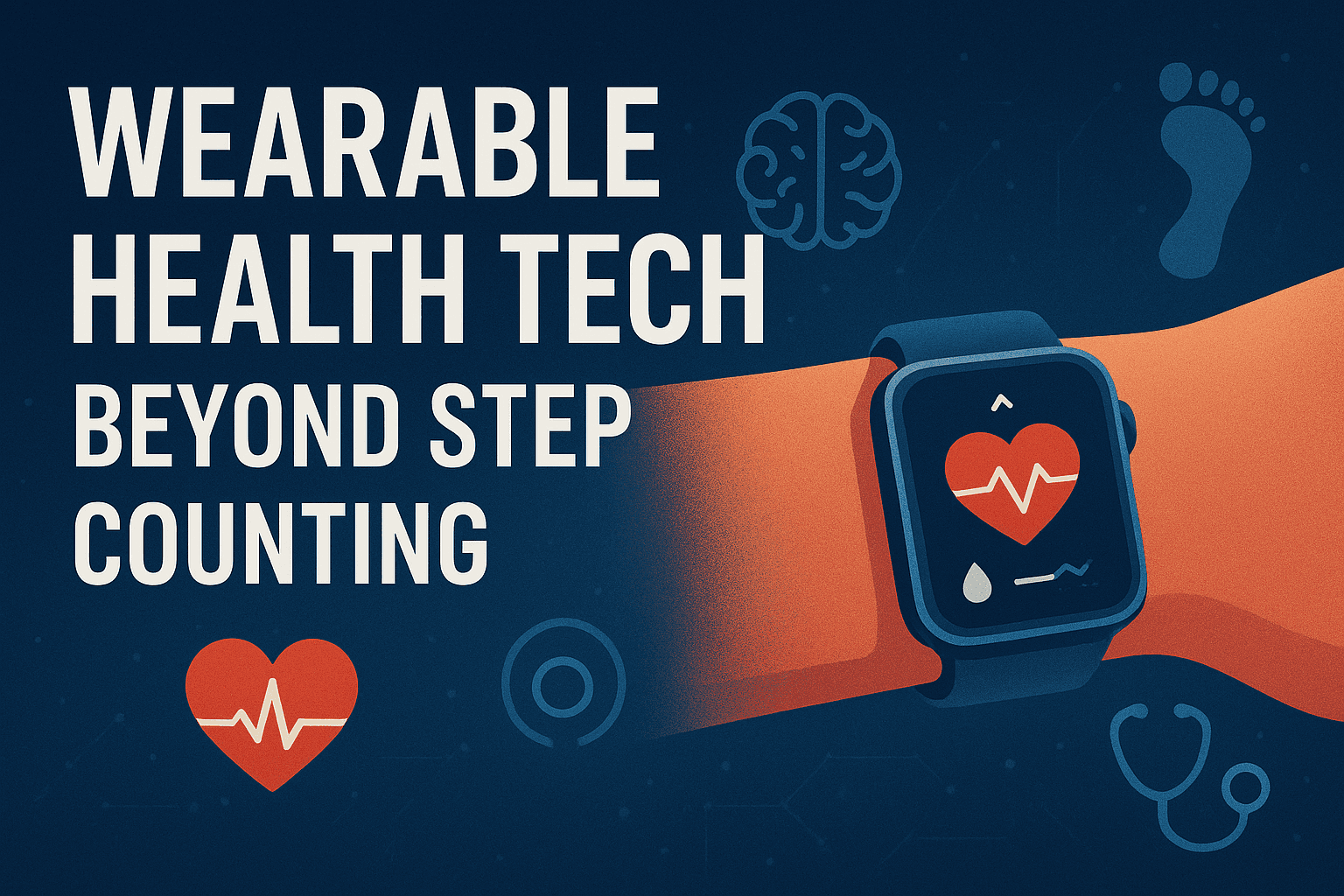
Wearable Health Tech in the US: Useful Features and FDA Boundaries
Apple Watch irregular rhythm notifications, Fitbit sleep scores, and continuous glucose monitors (CGMs) for diabetics show how wearables intersect with US healthcare. Understanding what is **FDA-cleared** versus **wellness** prevents dangerous false confidence.
FDA-Cleared vs Wellness: Critical Difference
- **FDA-cleared/classified devices:** Specific claims tested (some ECG apps, CGMs, certain arrhythmia detection)
- **Wellness features:** Sleep scores, stress estimates, blood oxygen for general fitness—not diagnostic
If a watch suggests a heart problem, **call your doctor**—do not rely on Reddit for triage.
Features US Users Actually Use
- **Heart rate and HRV trends:** Motivation and recovery tracking for runners
- **Fall detection and crash detection:** Valuable for seniors living independently—set emergency contacts
- **Sleep staging:** Directionally useful; not sleep lab accuracy
- **CGMs (Dexcom, Libre):** Prescription devices for diabetes management—game-changing when covered by insurance
Insurance and Cost in America
- CGMs often require prior authorization under US health plans
- Apple Watch health features require compatible iPhone—factor total cost
- FSA/HSA may cover some medical devices with prescription—check your plan
Wearables are consumer electronics; repairs and upgrades are out-of-pocket.
Privacy: Health Data Is Sensitive
US health apps may fall under **HIPAA** only when connected to covered providers—not all fitness apps qualify. Read privacy policies; restrict ad tracking on health apps.
Employer wellness programs collecting wearable data need clear opt-in—know your rights under state privacy laws (California CPRA, etc.).
Who Should Skip Advanced Health Wearables?
- Anxiety triggered by constant metrics (consider simpler trackers)
- Users expecting medical diagnosis without clinical follow-up
- Anyone replacing prescribed monitoring with consumer gadgets
Medicare and Medicaid Gaps
Medicare generally does not cover Apple Watches as medical devices. Medicaid coverage for CGMs expanded in some states—check diabetes benefits. Dual-eligible seniors should ask caseworkers, not assume wearable coverage.
Workplace Wellness Programs
US employers offering Fitbit or Apple Watch subsidies may collect step data—review HR privacy notices. EEOC rules limit how health data affects employment decisions, but transparency matters.
Sleep Tracking Limitations
US sleep clinics use polysomnography—wearable sleep stages are estimates. Use trends, not single-night panic. Snoring detection may prompt sleep apnea evaluation—medical diagnosis requires lab or home sleep study prescribed in US.
Sharing Data With Doctors
Export PDF summaries from Apple Health or Google Fit before appointments—some US clinicians appreciate trend data; others ignore consumer metrics. Ask before assuming watch ECG replaces cardiologist.
Blood Pressure Cuffs vs Wrist Estimates
FDA-cleared **upper arm cuffs** (Omron) remain gold standard for hypertension monitoring in US clinics. Wrist wearables estimate—do not adjust medication on wrist alone without clinician agreement.
Skin Tone and Sensor Accuracy
US research continues on pulse oximeter accuracy across skin tones—consumer wearables may vary; report anomalies to doctor with manual backup readings.
Veterans and VA Telehealth
US veterans may sync some consumer wearables with VA telehealth programs depending on facility—ask care team if step counts or home BP logs help appointments. Not universal—policy varies by VA medical center.
Children's Wearables
US parents use GPS watches for younger kids—privacy policies vary; data may store location on Chinese servers on cheap imports—read where data resides before buying overseas-brand kids trackers on Amazon.
Conclusion
US wearables excel at motivation, trend tracking, and emergency alerts—not replacing doctors. Use FDA-cleared features as screening prompts; confirm with licensed US healthcare providers for diagnosis and treatment. ### Sources and Further Reading
- FCC Consumer Help Center: fcc.gov/consumers
- FTC — Technology issues: consumer.ftc.gov/technology
- CISA — Secure by design: cisa.gov/securebydesign